
Algorithmic Surveillance
The digital panopticon
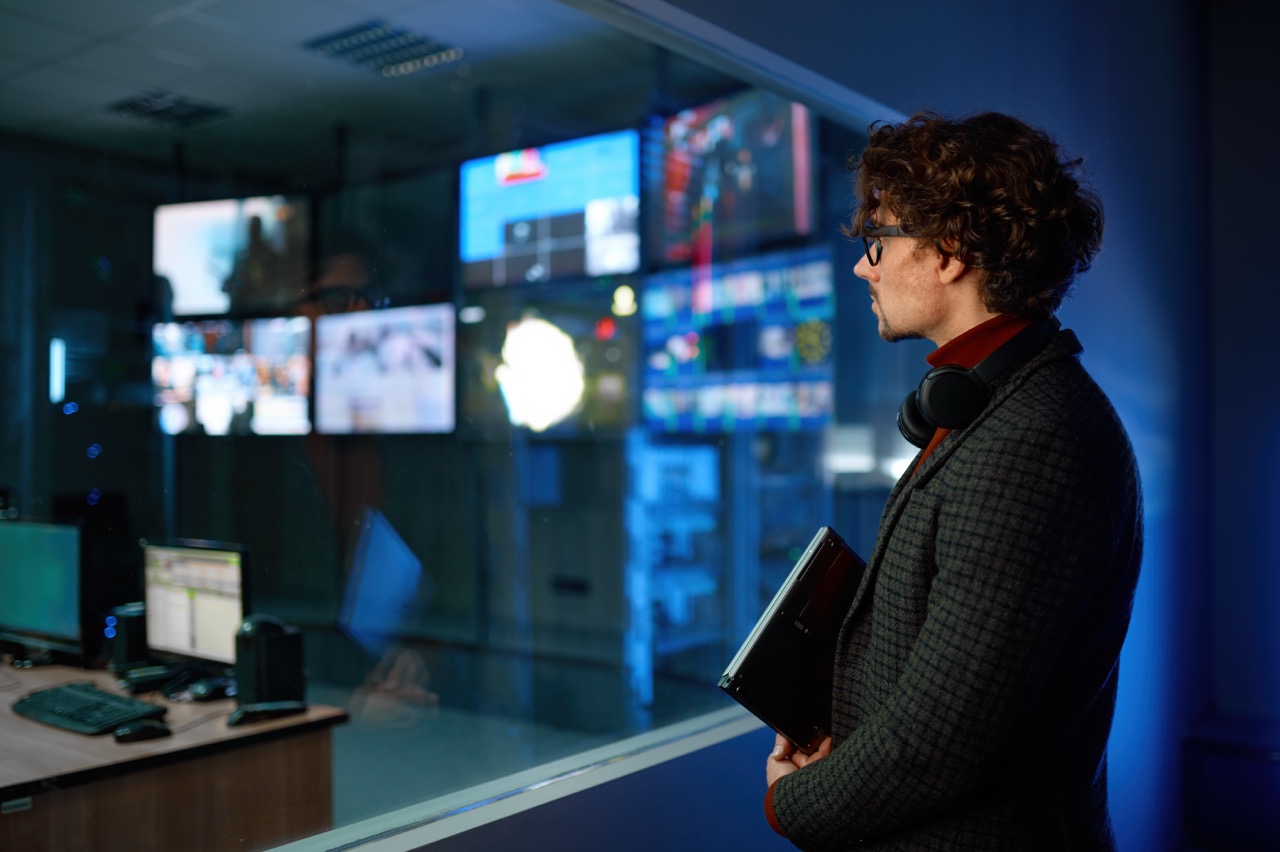
Modern labor is increasingly performed under the "Digital Panopticon," a state where every physical movement, keystroke, and physiological marker is converted into a data point for management. Our 14-month study of logistics and retail environments reveals that algorithmic surveillance has moved beyond simple productivity tracking. It has become a tool for "Predictive Discipline," where software identifies patterns of behavior—such as a slowing pace or a brief conversation—and issues automated warnings before a human manager is ever involved.
Vectors of behavioral monitoring
To quantify the depth of this intrusion, we categorized the surveillance technologies currently deployed across major service-sector platforms:
- Biometric pacing: The use of wearable devices or handheld scanners that monitor heart rate and movement speed to enforce "Peak Efficiency" throughout an 8-hour shift.
- Computer vision oversight: High-definition camera arrays integrated with AI that detect "non-productive" body language or unauthorized breaks in real-time.
- Sentiment analysis: Software that monitors worker communication on internal platforms or with customers, flagging "negative sentiment" as a marker for potential turnover or union activity.
The dehumanization of the "Idle Time" metric
The most pervasive element of algorithmic surveillance is the tracking of "Time Off Task" (TOT). Our data shows that these systems are calibrated without regard for human biological limits, leading to a profound "Autonomy Deficit" in the workplace.
- Biological penalty: Workers reported skipping hydration or bathroom breaks to avoid triggering an automated "idle" flag, which can lead to immediate shift termination or wage docking.
- The loss of nuance: Algorithmic systems cannot distinguish between a "slowdown" caused by a system error and a slowdown caused by a worker’s physical fatigue, placing the burden of machine failure on the human.
- Standardization of persona: Surveillance forces workers into a "Mechanical Mask," where they must maintain a specific, tracked level of enthusiasm and speed regardless of their personal or physical state.
The psychological impact of permanent visibility
The knowledge that one is being constantly watched by an invisible, non-negotiable entity creates a specific psychological condition we call "Surveillance Fatigue." This state is characterized by chronic stress and a total lack of workplace trust.
- Hyper-vigilance: 82% of workers under high levels of algorithmic surveillance reported an inability to "switch off" mentally after their shift ended.
- Erosion of agency: When every decision is prompted by a machine, workers experience a decline in problem-solving skills and a sense of "Automated Helplessness."
- Social fragmentation: Constant monitoring discourages informal interaction, preventing the formation of workplace communities and support networks that are vital for mental resilience.
Research methodology: Shadowing the sensors
This analysis was built using "Data Audits," where our researchers compared official company productivity reports with independent physical logs kept by workers. We utilized a Behavioral Constraint Model to measure the exact degree to which algorithmic oversight limits a worker’s range of physical movement and decision-making throughout a standard workday.
Conclusion: The right to be human at work
Our research concludes that the current trajectory of algorithmic surveillance is incompatible with basic human rights and labor dignity. We advocate for "Right to Disconnect" laws that apply even while on the clock, as well as strict bans on the use of biometric tracking for productivity scoring. We must establish a "Privacy Floor" that prevents employers from utilizing pervasive digital oversight to strip away the autonomy of the workforce. Without these protections, the worker becomes nothing more than a biological component in an optimized machine.